Command Palette
Search for a command to run...
“genogram” gets about 22.2k searches a month in the US. The top results are genopro.com, en.wikipedia.org, therapistaid.com. The median Domain Rating on page one is DR 68, and the lowest is DR 23. To rank, you need relevant backlinks from sites like these.
A genogram is a detailed visual representation of a family’s structure, medical history, and emotional relationships, spanning at least three generations. It uses standard symbols (squares for men, circles for women) to map patterns like illnesses, behaviors, and relationship dynamics (e.g., conflict, closeness). Genograms are essential tools in therapy, medicine, and social work for identifying hereditary traits, multigenerational trauma, and behavioral patterns. Wikipedia +5
Start with the Index Person: Begin with the individual (often the client) and map their immediate family. Add Generations: Add parents, siblings, and at least three generations (grandparents, parents, children). Include Details: Include names, birth/death dates, marriages, divorces, and significant life events. Map Relationships: Use lines to represent the quality of relationships (e.g., solid lines for closeness, zig-zag lines for conflict). Update Regularly: Genograms can evolve as more information is disclosed during therapy.
Gender: Men are represented by squares, women by circles. Family Structure: Lines connect spouses (horizontal) and children (vertical). Lifespan: A large "X" through a symbol indicates a deceased family member. Relationships: Distinctive symbols depict marriages, divorces, separations, and adoptions.
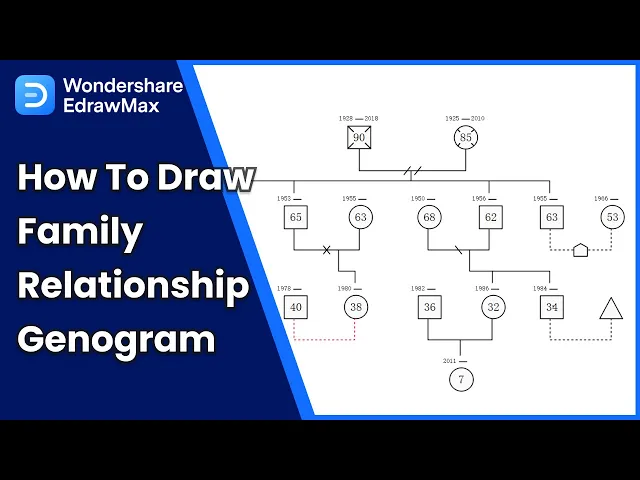
Visualizing Complex Data: Easily identify complex family patterns. Identifying Trends: Spot hereditary diseases, psychological issues, or behavior patterns running in families. Improving Therapy: Helps clients understand their family dynamics and emotional connections.
Creator Bias: Genograms are written from the perspective of their creator, which can make them subjective. Time-Consuming: Gathering accurate information over three generations can be difficult. Evolving Information: A client may not be ready to disclose all information, meaning the genogram might need frequent updates.
Family Tree Genogram: Focuses on bloodlines and family structure. Medical Genogram: Focuses on hereditary diseases and health conditions. Emotional/Relational Genogram: Maps the emotional relationships and dynamics, such as conflict, close relationships, or estrangement. Social/Network Genogram: Includes significant people outside the family structure, such as close friends, neighbors, or mentors.
Sign up free to see all 100 results and find which domains are already selling links. Skip the guesswork and rank faster.
See All Results. It's Free.The genogram SERP mixes definitions, therapy guidance, templates, and maker tools. The top spots go to genopro.com at #1 and Wikipedia at #2; Therapist Aid ranks #3. A strong page should explain symbols and family patterns, then offer a practical template or creation tool.
The snapshot is marked stale, so rankings may have shifted. Search features include an AI overview, PAA, images, and product considerations—make the answer easy to scan and the tool easy to find.