Command Palette
Search for a command to run...
“grass identification” gets about 1.3k searches a month in the US. The top results are scottsmiraclegro.com, whatgrassisthis.com, extension.psu.edu. The median Domain Rating on page one is DR 67, and the lowest is DR 7. To rank, you need relevant backlinks from sites like these.
You can identify your lawn's grass type by checking your climate zone, examining the blade tip, and looking at how the grass spreads.
Cool-season grasses: Thrive in northern regions and grow actively in spring and fall (examples: Kentucky Bluegrass, Tall Fescue, Perennial Ryegrass, Fine Fescue ). Warm-season grasses: Thrive in southern regions and peak during the summer heat (examples: Bermudagrass, Zoysiagrass, St. Augustine Grass, Centipedegrass ).
Boat-shaped tip (canoe-like): Distinct to Kentucky Bluegrass. Pointed tip: Found on Tall Fescue and Perennial Ryegrass. Rounded/cuffed tip: Common in St. Augustine and Centipede grass. Needle-thin: Indicates Fine Fescue.
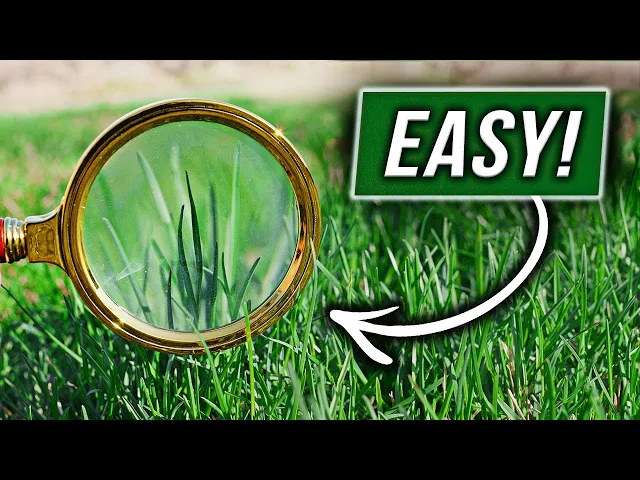
Underground runners (rhizomes): Spreads via sub-surface roots to self-repair (e.g., Kentucky Bluegrass ). Above-ground runners (stolons): Visible creeping stems on top of the soil (e.g., Bermudagrass, St. Augustine, Zoysia ). Clumping: Grows in tufts or bunches without aggressive creeping runners (e.g., Tall Fescue ).
You can also upload a close-up photo of your turf to a visual tool like the What Grass Is This Identifier or read through the steps on Measure My Lawn to match your physical samples.
If you'd like help identifying your specific grass, tell me:Your geographic location or climate The color and width of the blades Whether it forms clumps or a dense mat
Sign up free to see all 100 results and find which domains are already selling links. Skip the guesswork and rank faster.
See All Results. It's Free.The grass identification SERP mixes lawn-care guides, botanical field methods, and photo-based ID tools. Scotts leads at #1; an AI photo identifier is already #2. Penn State and Oklahoma State hold #3 and #4 with practical, feature-led guides.
To compete, pair a fast photo or visual ID flow with clear lawn-focused guidance: blade, growth habit, and regional clues. Add labeled images and concise answers for common questions to target image results and People Also Ask.