Command Palette
Search for a command to run...
“reusable rockets” gets about 880 searches a month in the US. The top results are en.wikipedia.org, global-aero.com, spacex.com. The median Domain Rating on page one is DR 86, and the lowest is DR 36. To rank, you need relevant backlinks from sites like these.
A reusable rocket is a launch vehicle designed to recover its most expensive parts —usually the first-stage booster—so they can be refurbished and flown again instead of being discarded after a single flight.
Traditional rockets are expendable, meaning every part is thrown away into the ocean or left as space debris. Reusable systems use different methods to bring parts safely back to Earth:
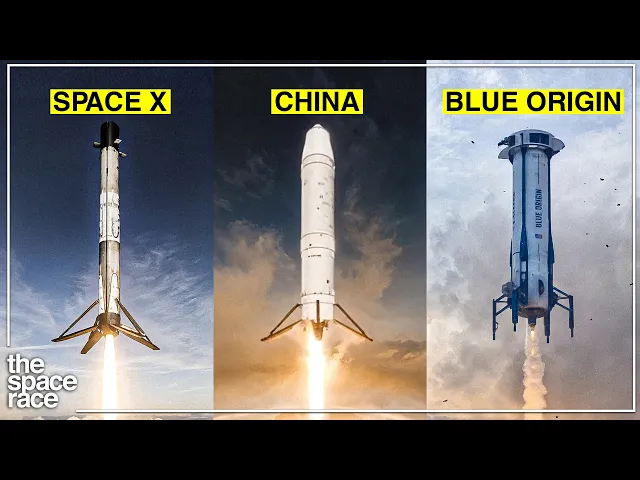
Vertical Landing: Rockets use their own engines to slow down and land vertically on a ground pad or a floating ship at sea. This was pioneered by the Falcon 9. Cable Catch Systems: Alternative methods, such as those tested by China's Long March 10B, use hooks and high-strength steel cables to catch descending boosters in mid-air or on rail platforms. Parachutes: Older designs, like the Space Shuttle solid rocket boosters, used parachutes to soft-land in the ocean for recovery.
Reusability transforms the economics and sustainability of space exploration.
Lower Costs: Building fewer new rockets drastically cuts the price of reaching orbit. Higher Frequency: Companies can launch missions much more often. Less Waste: Bringing hardware back reduces ocean waste and orbital trash. Refurbishment Expense: Checking, cleaning, and repairing recovered parts takes time and money, which can partially offset savings.

Watch this video to see how engineers explain the mechanics and history behind reusable rocket technology: 56s How Reusable Rockets Work 695K views · 1 year ago YouTube · The Space Race
Would you like to learn more about a specific vehicle like SpaceX Starship or how vertical landing works?
Sign up free to see all 100 results and find which domains are already selling links. Skip the guesswork and rank faster.
See All Results. It's Free.reusable rockets has a mixed-intent SERP: explainers, company pages, video, and community results. Wikipedia leads at #1; SpaceX’s Falcon 9 ranks #3, while NASA appears at #7. AI Overview and People Also Ask add answer-focused competition.
To stand out, build a clear, evidence-backed guide: explain how recovery works, compare partial and full reusability, and cover costs, trade-offs, and current programs. Add original diagrams and concise FAQ answers to target image and question features.