Who ranks for “server side tracking”
“server side tracking” gets about 320 searches a month in the US. The top results are myagilepixel.com, youtube.com, positsource.com. The median Domain Rating on page one is DR 60, and the lowest is DR 6. To rank, you need relevant backlinks from sites like these.
33 organic results· Google estimates ~33
Google pages4/10
- AI Overview
- People also ask
AI Overview
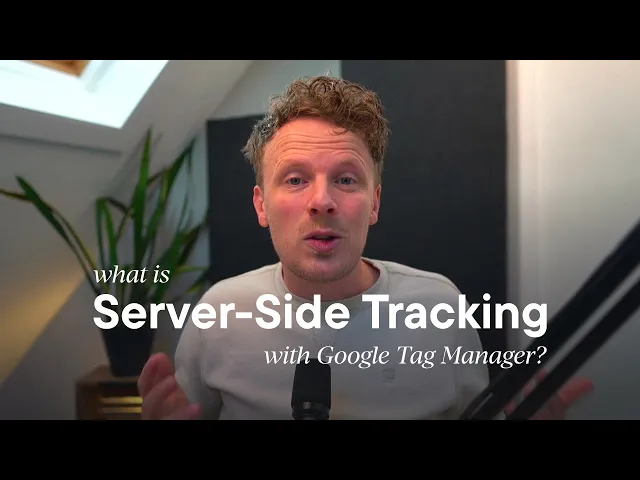
What is Server-Side Tracking?
Server-side tracking is a method of collecting and sending user data from a website or app through a server you control (or a cloud server) rather than directly from the user's web browser.
Client-side tracking (Traditional): The user’s browser loads tracking scripts (like Google Analytics or Meta pixels) and sends data directly to third-party ad and analytics platforms. Server-side tracking: The browser sends a single event request to your own web server or a dedicated cloud container (such as via Google Tag Manager ), which processes the data and forwards it to the various marketing and analytics tools. Google Tag Manager

How It Works
Event Capture: A user performs an action (like a page view or purchase) on your website. First-Party Request: Instead of firing ten different tracking pixels to ten different companies, the browser sends one clean request to your own domain/server. Processing & Enrichment: Your server receives the event, cleans or enriches it (adding first-party cookies, IP details, or profit margins), and formats it. Relaying Data: The server sends the event data to destinations like GA4, Meta Conversions API, or TikTok Events API.
Key Benefits
Bypasses Ad Blockers & ITP: Ad blockers and browser privacy features (like Apple's Intelligent Tracking Prevention) often block browser-side scripts. Server-side tracking routes data via a first-party domain, recovering lost conversion data (often improving accuracy by 10% to 30%). Faster Page Speeds: Because only one lightweight request leaves the browser instead of multiple heavy third-party tracking scripts, your website loads faster. Better Data Control & Privacy: You decide exactly what data leaves your server, reducing accidental leaks of sensitive or Personally Identifiable Information (PII). Extended Cookie Lifetimes: Using first-party custom domains helps maintain cookie persistence longer than browser-restricted limits.
Drawbacks & Challenges
Cost: Running cloud servers or specialized management tools (such as Stape.io ) incurs recurring hosting and service fees. Technical Complexity: It requires setup knowledge for cloud infrastructure, custom domains, and server-side tag management. Debugging is Harder: Troubleshooting data flows involves checking server logs and container preview tools rather than a simple browser network tab.
If you'd like to set this up, tell me:What analytics or ad platforms (GA4, Meta CAPI, TikTok) you use Your current tech stack (Shopify, WordPress, custom code) I can help you outline the right implementation path.
My Agile Pixelhttps://www.myagilepixel.com › topics › server-side-tra...
Oct 6, 2026 — How server-side tracking works, what it recovers and what it changes for those who measure. Server-side tracking explained,
1
DR 371 traffic
YouTube · MetaRouter140+ views · 2 years ago

Today, we're diving into the nuanced world of server-side tagging vs. server-side tracking. If you enjoyed our previous video on client-side ...
Posit Source Technologieshttps://blogs.positsource.com › server-side-analytics-wh...
Feb 11, 2025 — With server-side tracking, the data collection process is moved from the browser (client-side) to a dedicated cloud-based server. Instead of
3
12 traffic
Reddit · r/ServerSideTagging4 comments · 6 months ago
Is your tracking actually server-side? : r/ServerSideTagging
Some agencies charge for "server-side tracking " and just rearrange client-side tags. Here are some lifehacks on how to detect that in a couple ...
People also ask
- What do you mean by server-side rendering?
- How much does stape cost?
- What is sGTM?
- Is Google Tag Manager still a thing?
infotrust.comhttps://infotrust.com › resource › server-side-tagging-st...
Unlike the previous client-based system, this new feature allows you to move third-party tags off your site into a new server container for analytics ...
coobx.nethttps://pulse.coobx.net › google › server-side-tagging-ho...
Oct 9, 2026 — Implementing server-side tracking goes far beyond a purely technical configuration, as it directly affects key business performance indicators.
6
DR 1336 traffic
Roicoolhttps://www.roicool.com › ... › Data and measurement
Oct 20, 2026 — We move measurement from the browser to the server, so the data that reaches your ad platforms is more complete and better controlled.
Simple Analyticshttps://www.simpleanalytics.com › blog › is-server-side...
Mar 22, 2023 — Server-side tagging can make a GA4 implementation more controllable. It can move tag processing into an environment you manage, reduce some ...
See Which Sites Sell Backlinks
Sign up free to see all 100 results and find which domains are already selling links. Skip the guesswork and rank faster.
See All Results. It's Free.