Command Palette
Search for a command to run...
“veterinary medicines” gets about 9.9k searches a month in the US. The top results are fda.gov, worldvet.org, avma.org. The median Domain Rating on page one is DR 85, and the lowest is DR 13. To rank, you need relevant backlinks from sites like these.
Veterinary medicines are specialized drugs and treatments used to prevent, manage, and cure diseases and injuries in animals.
Antiparasitics: Drugs that prevent or kill fleas, ticks, heartworms, and intestinal worms. Antibiotics and Antifungals: Medications used to treat bacterial and fungal infections. Pain Relievers and Steroids: Anti-inflammatory drugs like NSAIDs or prednisone that reduce pain, swelling, and allergic reactions. Behavior and Sedative Drugs: Medications used to calm anxious pets or prepare them for surgery. Hormone and Organ Treatments: Drugs like insulin for diabetes or specific medicines for heart and thyroid conditions.
By Mouth (Oral): Pills, chewable tablets, liquids, pastes, or powders mixed into food. Injections: Shots given under the skin or into muscles by a professional or owner. Topical: Drops or ointments applied directly to the skin, eyes, ears, or fur.

Prescription Rules: Many animal drugs require a lawful order from a licensed veterinarian to ensure safe and correct use. You can learn more about animal drug safety through the FDA Animal & Veterinary portal. Human vs. Pet Drugs: Pets process drugs differently than humans. Never give human medication to an animal without direct guidance from a vet, as many common human items can be toxic. Guidance on handling treatments safely is provided by the American Veterinary Medical Association.
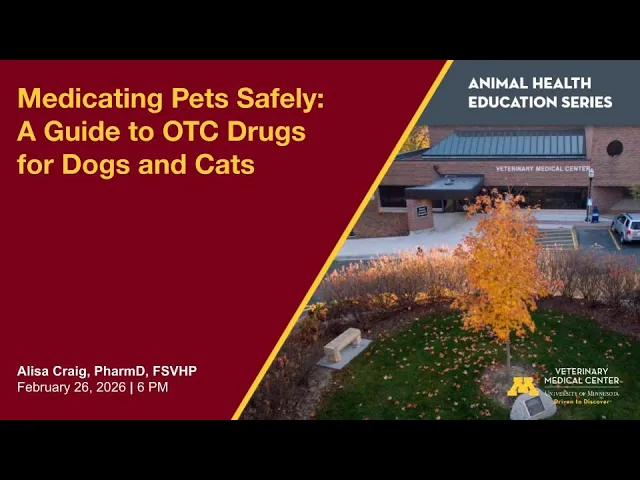
Are you looking for information on a specific medication, or do you need help with a particular animal (like a dog, cat, or farm animal)?
Sign up free to see all 100 results and find which domains are already selling links. Skip the guesswork and rank faster.
See All Results. It's Free.For veterinary medicines, the SERP leans informational and authoritative: FDA guidance leads at #1, followed by a medicines list at #2 and prescription rules at #3. Google also mixes in an approved-drug database, reference lists, and safety content.
To compete, create a clear, well-sourced guide organized around drug categories, approved uses, safety, and prescription requirements. Cite FDA and veterinary authorities, and make the information easy to scan. The strong institutional presence means trust and accuracy are essential.