
White hat link building means getting links that a real editor chose to add, because your page helps their readers. These are the links Google's guidelines are designed to reward, and the ones least likely to disappear in the next spam update.
It is slower than buying a batch of links. It also lasts.
- White hat links are earned or editorially approved
- Relevance to the linking page matters more than DR
- Original data and useful tools earn links on their own
- PBNs, link farms, and link schemes are black hat
- Paid placements are a grey area, so pick sites carefully
What counts as white hat
A link is white hat when three things are true:
- An editor decided to add it. Nobody slipped it in through a loophole.
- It helps the reader. The linked page adds something the article does not.
- It fits the site. The linking page covers a related topic.
9 white hat link building strategies
1. Publish original data
Surveys, benchmarks, and studies are the easiest content to cite. Writers need numbers, and they link to the source. Even a small dataset from your own product can earn links for years.
2. Build a free tool or template
Calculators, checkers, and templates earn links from resource pages and tutorials. Keep the tool narrow and fast. One job, done well.
3. Write guest posts for the audience
Write for the publisher's readers, not for your anchor text. Pick sites that cover your topic, pitch a subject they have not covered, and link to your site only where it helps. A blogger outreach service can run this for you.
4. Fix broken links
Find pages in your niche that link to dead URLs. Tell the site owner about the broken link and offer your page as a replacement. You solve a problem for them, so the ask is easy.
5. Claim unlinked brand mentions
Search for your brand name on the web. When a site mentions you without a link, send a short note asking them to add one. Conversion rates are high because they already chose to write about you.
6. Get listed on resource pages
Many sites keep curated lists of tools, guides, or suppliers. If your page belongs on the list, ask to be added.
7. Improve on what already ranks
Find a page that has many links but is out of date. Publish a better, current version. Then contact the sites that link to the old page.
8. Use partnerships
Integration partners, suppliers, customers, and events often have partner or case study pages. These links are relevant by definition.
9. Answer journalists
Writers use quote request platforms to find expert sources. A clear, fast answer from someone with real experience often ends in an editorial link on a news or trade site.
What counts as black hat
- Private blog networks (PBNs): sites built only to link out.
- Link farms: sites that publish anything on any topic for a fee.
- Automated links: spun articles, comment spam, and profile spam.
- Link exchanges at scale: "link to me and I'll link to you" across many sites.
- Hidden or hacked links: links placed without the site owner's knowledge.
These tactics can still move rankings for a short time. They also get wiped out by spam updates, and they can lead to a manual action.
Where paid placements fit
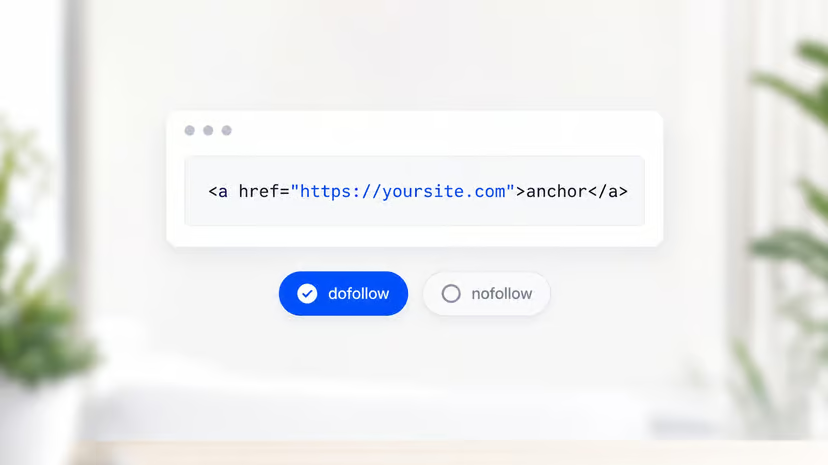
Many good publishers charge a fee to publish a contributed article. Google's spam policies say that links bought to pass ranking credit should use rel="sponsored". In practice, most placements sold by link building services are dofollow, which makes them a grey area.
If you pay for placements, reduce the risk:
- Choose sites with real organic traffic in your niche.
- Get a new article written for that site's readers, with the link in the body.
- Use natural anchor text, mostly branded or descriptive.
- Avoid sites that sell links on every topic or list prices in public.
- Spread links over time instead of buying a hundred at once.
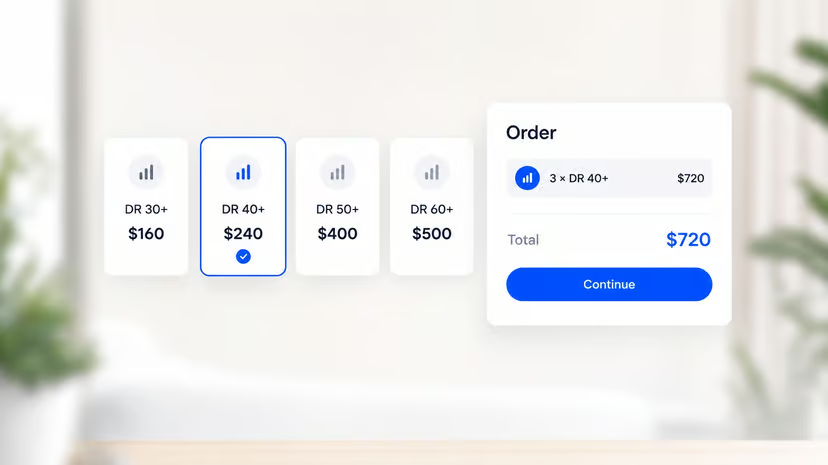
This is how LinkDR works: we pitch relevant publishers one by one, write a new article for each, and never use PBNs or link farms.
A simple white hat plan
- Check which sites link to your top three competitors with our backlink checker.
- Publish one asset worth citing: data, a tool, or a guide.
- Pitch ten relevant publishers a month, personally.
- Fix broken links and claim brand mentions each quarter.
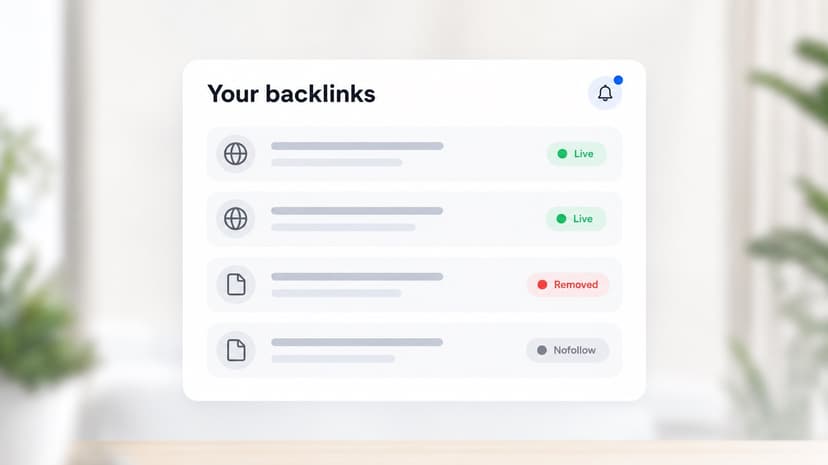
- Track every link and monitor it after it goes live.